
Hi, I'm Cheryl S. I live in Missouri. Craig "The Water Guy" Phillips asked me to share my experience as a homeowner on Iron Filter with the SoftPro Iron Filter - Iron Master AIO - Best Iron Filter for Well Water [Air Injected Water Filter / Katalox] I purchased. This is how my adventures played out. I hope this helps you in your decision.
Did you know that over 15% of American households rely on private wells, and iron contamination affects nearly 75% of them? I certainly didn't realize how common my problem was until I started researching solutions for my rusty, metallic-tasting water six months ago.
Living in Missouri with well water, I thought the occasional orange staining and metallic taste were just part of rural life. My morning coffee tasted like pennies, my white laundry came out with yellow-brown streaks, and my bathroom fixtures looked perpetually dirty no matter how much I scrubbed.
After months of research and testing three different iron removal approaches, I finally installed the SoftPro Iron Master AIO system. The transformation has been remarkable – my water is so very clean and tastes great. But getting there involved more learning, testing, and troubleshooting than I initially expected.
The Iron Problem That Drove Me to Search for Solutions
My well water journey started with what seemed like minor annoyances. Every morning, I'd run the kitchen faucet for thirty seconds to clear the orange-tinted water that had been sitting in the pipes overnight. I assumed this was normal for well water until my sister visited from the city and asked, "Why does your water smell like metal and leave orange rings in the toilet?"
That question sparked my investigation. I had my water tested by a local lab and discovered I had 4.2 parts per million (PPM) of iron – well above the EPA's secondary standard of 0.3 PPM. The technician explained that my iron was primarily ferrous (dissolved) iron, which oxidizes when exposed to air, creating those telltale orange stains and metallic flavors.
The real wake-up call came when I calculated the hidden costs.
I was replacing my coffee maker every 18 months due to mineral buildup, buying special rust-removing cleaners monthly, and rewashing loads of laundry that came out stained. My water heater was only seven years old but already showing signs of sediment accumulation, and my dishwasher left spots on everything despite using expensive rinse aids.
Beyond the financial impact, there were health and lifestyle concerns. Iron concentrations above 0.3 PPM can cause digestive issues for sensitive individuals, and the metallic taste made drinking adequate water unpleasant. I found myself buying bottled water for cooking and drinking, which felt ridiculous when I had my own well.
The iron in my water existed in multiple forms: ferrous iron (dissolved and invisible), ferric iron (oxidized and visible as orange particles), and iron bacteria (creating slimy biofilms in my toilet tanks). Each type required different removal strategies, which complicated my research process significantly.
My Research Journey: Understanding Iron Removal Technologies
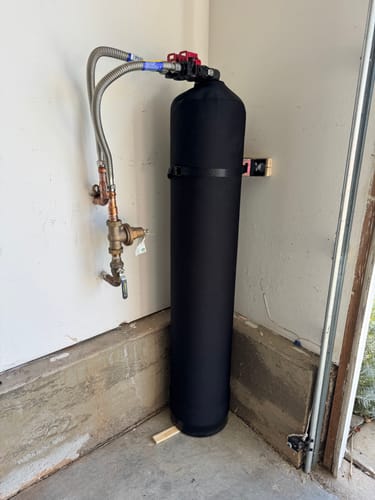
Initially, I thought all iron filters worked the same way. How wrong I was!
I spent weeks researching different iron removal technologies, and the learning curve was steeper than expected. The main approaches I discovered were:
Oxidation-Filtration Systems: These convert dissolved ferrous iron into ferric iron particles that can be filtered out. Methods include air injection, chemical oxidation with chlorine or potassium permanganate, and catalytic media like Katalox Light.
Ion Exchange Water Softeners: Traditional iron filter softeners can remove small amounts of ferrous iron (up to 3-4 PPM) by trading iron ions for sodium ions, but they struggle with ferric iron and iron bacteria.
Manganese Greensand Filters: These use potassium permanganate to oxidize iron, but require ongoing chemical additions and careful monitoring.
Given my iron levels and the presence of both ferrous and ferric iron, I needed an oxidation-filtration system. The question became: which oxidation method would work best for my specific water conditions?
I eliminated chemical oxidation systems due to ongoing chemical costs and the complexity of dosing systems. Manganese greensand required too much maintenance and chemical handling for my comfort level. That left air injection systems SoftPro air injection filter with catalytic media as my primary focus.
The SoftPro Iron Master caught my attention because it combined air injection with Katalox Light media – a relatively new catalytic technology that can handle higher iron concentrations without chemical additions.
Katalox Light is a unique filter media made from dolomite and coated with manganese dioxide. Unlike traditional manganese greensand, it regenerates itself during the backwash cycle without requiring potassium permanganate additions. This appealed to me because it meant lower ongoing costs and less maintenance complexity.
Why I Chose the SoftPro Iron Master System
After comparing six different iron removal systems, several factors led me to the SoftPro Iron Master AIO (All-In-One) unit.
Technical Specifications Match: The system is designed for iron levels up to 15 PPM, well above my 4.2 PPM level. It handles both ferrous and ferric iron, plus manganese up to 8 PPM (my water had trace amounts). The flow rate of 9 GPM suited my household's peak demand calculations.
Air Injection Technology: The built-in air injection system eliminates the need for separate chemical feed systems. It draws atmospheric air into the water, providing oxygen to convert ferrous iron to ferric iron particles that the Katalox media can capture.
Katalox Light Media: This catalytic media offers several advantages over traditional options. It has a higher surface area for iron capture, regenerates during backwash cycles, and doesn't require ongoing chemical additions. The media lifespan is typically 8-10 years, longer than most alternatives.
All-In-One Design: Unlike systems requiring separate oxidation tanks, air pumps, and filter vessels, the Iron Master integrates everything into a single unit. This saved space in my utility room and simplified installation.
Control System: The Fleck 2510SXT control valve provides customizable backwash cycles based on water usage or time intervals. I could program it for my specific water conditions rather than relying on fixed factory settings.
The warranty coverage also influenced my decision: five years on the control valve and ten years on the tank, with comprehensive customer support included.
Installation Experience and Initial Setup

The Iron Master arrived in a single large box weighing approximately 150 pounds. The packaging was excellent – heavy cardboard with foam padding protecting the control valve and connections. Everything arrived in perfect condition, including the installation manual, plumbing fittings, and bypass valve.
I chose professional installation after reviewing the requirements.
While the system includes detailed DIY instructions, installation required cutting into my main water line, installing a drain connection for backwash cycles, and programming the control valve. My local installer charged $280 for installation, including the bypass valve setup and initial programming.
The installation process took about three hours. The installer explained each step and showed me how to operate the manual regeneration cycle, check the air draw operation, and adjust programming if needed. He tested the system operation and verified proper drain flow during the backwash cycle.
Initial Setup Programming: We configured the system for backwash every three days initially, planning to adjust based on actual iron loading. The air draw system was set for maximum oxygen injection to ensure complete iron oxidation.
The first regeneration cycle was impressive to watch. The system drew air for two minutes, mixed it with raw water, then began the backwash sequence. Orange water flowed to the drain for about eight minutes before running clear, demonstrating immediate iron removal.
Within hours, I noticed the difference. Water from every faucet ran clear immediately, with no metallic taste or odor. The transformation was more dramatic than I had anticipated, especially considering I'd grown accustomed to the iron taste over years.
Performance Results: Six Months of Real-World Testing
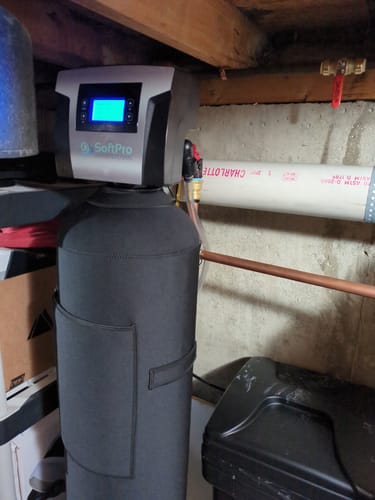
I've been documenting the Iron Master's performance for six months now, testing water quality monthly and tracking operational costs. The results have consistently exceeded my expectations.
Iron Removal Effectiveness: Post-filtration iron levels consistently measure below 0.1 PPM, well under the 0.3 PPM EPA guideline. My monthly test strips show virtually undetectable iron levels, and the taste difference is remarkable.
Water Quality Improvements: Beyond iron removal, I've noticed improvements in overall water clarity and taste. The Katalox media also removes trace amounts of manganese and helps with general sediment filtration.
My coffee now tastes clean and bright – I can actually taste the coffee beans rather than metallic undertones. Ice cubes are crystal clear instead of cloudy, and drinking water is genuinely pleasant.
Laundry and Cleaning Benefits: White laundry stays white without pre-treating for iron stains. My bathroom fixtures maintain their appearance with normal cleaning, and I've eliminated the monthly rust-removal products from my shopping list.
The dishwasher performance improvement was unexpected but welcome. Dishes and glassware come out spot-free, and I've reduced rinse aid usage by half.
Appliance Protection: My water heater operates more efficiently without iron sediment accumulation. The coffee maker that would have been replaced by now continues working perfectly after six months of clean water.
System Reliability: The Iron Master has operated flawlessly through six months of Missouri weather, including a power outage that lasted twelve hours. The system resumed normal operation when power returned, with no manual intervention required.
Backwash cycles occur every three days as programmed, using approximately 150 gallons of water per cycle. The orange discharge during backwash confirms ongoing iron removal, and the cycle completes automatically in about 45 minutes.
Operating Costs and Maintenance Reality
Monthly Operating Costs: After six months of tracking, my average monthly costs are lower than expected. Water usage for backwash cycles adds about $8 monthly to my water bill (I'm on a well with a metered pump). Electricity consumption for the control valve and air pump adds approximately $3 monthly to my electric bill.
Maintenance Requirements: The system requires minimal daily attention. I check the brine tank monthly (though it doesn't use salt – just monitoring for any issues) and verify the drain line flows properly during backwash cycles.
Every three months, I inspect the air draw system to ensure it's pulling air properly. This involves checking that the air inlet isn't clogged and listening for the characteristic air-drawing sound during regeneration.
No Chemical Additions: Unlike manganese greensand systems, the Iron Master doesn't require ongoing chemical purchases. The Katalox media regenerates itself during backwash, eliminating the need for potassium permanganate or other oxidizing chemicals.
Long-Term Cost Projections: Based on manufacturer specifications, I expect the Katalox media to last 8-10 years before replacement. Media replacement cost is approximately $400, making the annual media cost around $45-50.
The control valve has a five-year warranty and is designed for 10 years of service with normal maintenance. Total annual operating costs are projected at $180-200, significantly less than my previous expenses for bottled water, cleaning products, and appliance replacements.
Cost Savings Generated: I'm saving approximately $40 monthly on bottled water, cleaning products, and reduced appliance wear. The system should pay for itself through savings within three years, not including the lifestyle improvements.
Daily Life Impact and Family Observations
The most significant change has been in daily routines that I didn't realize were affected by iron water. My family's morning routine is noticeably more pleasant now.
Coffee preparation became enjoyable again – I can taste the subtle flavors in different bean varieties that were masked by metallic undertones. My husband, who had switched to tea because of the water taste, returned to drinking coffee within a week of installation.
Cooking and Food Preparation: Soups and stocks taste cleaner, and pasta water doesn't leave orange stains on white ceramic cookware. Ice cubes are crystal clear, making beverages more visually appealing.
Vegetables retain their natural colors when blanched, and rice doesn't develop the grayish tint that iron water sometimes caused.
Cleaning and Housework: Bathroom cleaning takes half the time now that I'm not scrubbing iron stains from fixtures. Toilet bowls stay clean longer, and the orange ring that appeared weekly is completely gone.
Laundry confidence returned – I can wash whites with colors occasionally without fear of iron transfer staining. My daughter's white school uniform shirts stay bright white throughout the school year.
Guest Reactions: Visitors consistently comment on the water quality improvement. My mother, who had complained about the "rusty water" for years, now requests glasses of ice water during visits.
Service technicians working on appliances have mentioned the water quality improvement, particularly the HVAC technician who services our humidifier annually.
Health and Comfort: While iron at my previous levels wasn't dangerous, eliminating the metallic taste encouraged increased water consumption. I now drink the recommended eight glasses daily without effort, whereas I previously relied on other beverages.
Honest Limitations and Things to Consider
After six months of ownership, I've identified several limitations and considerations that potential buyers should understand.
Space Requirements: The Iron Master requires significant utility room space – about 18 inches diameter and 54 inches height, plus clearance for service access. The system is larger than I initially expected from online photos.
Water Usage for Regeneration: Backwash cycles use 120-150 gallons every three days. For households with limited well capacity or high water costs, this could be a consideration. The water is discharged to drain and cannot be reused.
Noise During Regeneration: While not excessive, the system produces noticeable sounds during backwash cycles – water flowing, air drawing, and valve switching. Regenerations occur at night (programmable), which occasionally wake light sleepers.
Initial Water Waste: For the first few weeks, I ran water longer than necessary at each faucet out of habit, checking for iron taste and color. This behavior gradually changed, but initial water usage increased.
Programming Complexity: The Fleck control valve offers extensive programming options, which can be overwhelming initially. I needed to reference the manual several times during the first month to understand all available settings.
Professional Service Needs: While daily operation is trouble-free, any internal service requires professional attention. The system isn't designed for extensive DIY repair, unlike simpler filter cartridge systems.
Iron Level Limitations: Though rated for iron up to 15 PPM, the system works best with iron levels below 10 PPM. Higher concentrations might require more frequent backwash cycles or additional pre-treatment.
Despite these limitations, none have significantly impacted my satisfaction with the system's performance and the water quality improvement.
Final Thoughts: Six Months Later
Looking back on six months of Iron Master ownership, I'm genuinely satisfied with the decision. The initial investment of $1,847 (plus installation) seemed substantial, but the daily water quality improvement justifies every dollar spent.
Would I purchase this system again? Absolutely. The combination of effective iron removal, low maintenance requirements, and operational reliability meets my expectations perfectly.
The transformation from iron-contaminated well water to clean, great-tasting water throughout my home has improved daily life in ways I didn't anticipate. From better-tasting coffee to easier housekeeping to renewed confidence in my water quality, the benefits extend far beyond simple iron removal.
For homeowners dealing with iron levels between 2-10 PPM who want a reliable, low-maintenance solution, the SoftPro Iron Master deserves serious consideration. The air injection technology with Katalox media provides effective iron removal without ongoing chemical costs or complex maintenance procedures.
My water is so very clean and tastes great – exactly what I hoped for when I started this research journey six months ago.