
Hi, I'm Jake B. I live in Colorado. Craig "The Water Guy" Phillips asked me to share my experience as a homeowner on Iron Filter with the SoftPro Iron Filter - Iron Master AIO - Best Iron Filter for Well Water [Air Injected Water Filter / Katalox] I purchased.
This is how my adventures played out. I hope this helps you in your decision.
Did you know that iron contamination affects over 25% of American well water systems?
I certainly didn't until I moved into my Colorado home and discovered what "rusty water" really means. After six months of using the SoftPro Iron Master filter system, I can honestly say it seems to have totally cleared up the iron problem that was driving my family crazy.
When we first turned on the taps in our new home, I thought there was something seriously wrong with the plumbing. The water had this metallic taste that made coffee undrinkable, and within weeks, everything white in our house started turning orange. Our washing machine was basically a rust-dyeing machine, and my wife's favorite white blouses became casualties of war.
What really pushed me over the edge was when guests started commenting on the water. Nothing says "welcome to our home" quite like serving someone a glass of water that looks like it came from a construction site. I knew I had to find a solution, and that's when my research journey into iron filtration began.
The Iron Problem That Nearly Broke My Patience
Living with iron-contaminated well water isn't just about aesthetics—though the orange staining was absolutely maddening. The real frustration came from watching this invisible enemy slowly destroy everything it touched. Our beautiful ceramic sinks developed permanent rust stains within the first month. The toilet bowls looked like they hadn't been cleaned in years, despite my wife's diligent scrubbing with every product imaginable.
But the iron problem went deeper than cosmetics. I started noticing that our water heater was making strange noises, and when I had a plumber inspect it, he found significant sediment buildup from iron particles. He warned me that without addressing the source, I'd be looking at premature replacement of major appliances.
The science behind iron contamination is actually fascinating, once you understand it. Our well water contained approximately 4.2 PPM (parts per million) of ferrous iron—the dissolved, "clear water" type that oxidizes when exposed to air. When ferrous iron hits oxygen, it converts to ferric iron, which is the visible rust particles that were staining everything in sight.
I tested our water with a simple iron test kit from the hardware store, and the results were sobering. The EPA's secondary standard recommends iron levels below 0.3 PPM for aesthetic reasons, but our water was testing at nearly fifteen times that limit. No wonder our morning coffee tasted like we were licking a rusty nail.
The financial implications started adding up quickly. We were going through laundry additives like crazy, trying to prevent the orange staining. I calculated that between rust-removing cleaning products, extra detergent, and the occasional professional cleaning service for our white furniture, we were spending nearly $150 per month just managing the symptoms.
Before discovering proper iron filtration, I tried everything the internet suggested. We installed a basic sediment filter—completely useless against dissolved iron. I bought expensive "iron-removing" detergents that promised the world but delivered disappointment. We even considered switching to bottled water for drinking and cooking, but the logistics and environmental impact made that unsustainable.
My Journey to Finding the Right Iron Filter
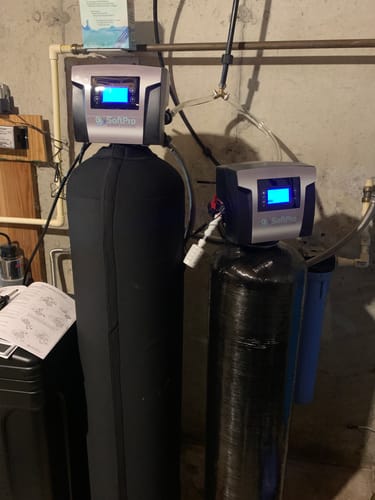
Research mode activated. I spent weeks diving into water treatment forums, reading technical specifications, and trying to understand the different technologies available for iron removal. The learning curve was steep, but I quickly realized that not all iron filters are created equal.
The first major decision point was choosing between different oxidation methods. Traditional aeration systems seemed overly complex for our situation, requiring air compressors and retention tanks. Chemical injection systems using chlorine or potassium permanganate felt too industrial and maintenance-heavy for a residential application.
That's when I discovered air injection technology, specifically the Katalox media approach. Unlike conventional methods that require separate chemical feed systems, air injection filters create their own oxidizing environment by drawing in atmospheric air during the backwash cycle. The Katalox media acts as both a catalyst for oxidation and a filtration medium for capturing the resulting iron particles.
Sizing the system correctly was crucial. With our household water usage averaging around 280 gallons per day, I needed a system that could handle peak flow rates without creating pressure drops. The Iron Master AIO specifications showed a service flow rate of 7 GPM, which aligned perfectly with our home's 1-inch main line and typical simultaneous usage patterns.
Certification standards became my compass during the selection process. I specifically looked for NSF/ANSI Standard 61 certification for health effects, ensuring that any materials in contact with our drinking water met strict safety requirements. The WQA Gold Seal certification provided additional confidence in performance claims.
What ultimately convinced me to choose the SoftPro Iron Master was the all-in-one design philosophy. Instead of juggling multiple components, chemical feed systems, and complex programming, this system promised effective iron removal through a single, self-contained unit. The 5-year warranty on the control valve and tank provided peace of mind for the long-term investment.
Unboxing and First Impressions
The delivery truck arrived on a Tuesday morning, and I immediately appreciated that SoftPro ships their systems properly. The Iron Master arrived double-boxed with plenty of protective foam, and nothing showed signs of shipping damage. The main tank was wrapped in a protective plastic sleeve, and all the smaller components were individually bagged and labeled.
My first impression was that this system feels substantial. The fiberglass tank has a nice finish and weighs considerably more than I expected—a good sign of build quality. The digital control head looked modern and well-engineered, with a clear display and intuitive button layout. Everything felt like commercial-grade equipment rather than typical consumer products.
Opening the component box revealed everything needed for installation: bypass valve assembly, drain line fittings, installation hardware, and a surprisingly comprehensive manual. I was pleased to find that SoftPro includes high-quality brass fittings rather than cheap plastic components. The bypass valve felt solid and operated smoothly right out of the box.
One detail that impressed me was the pre-installed Katalox media. Many systems require you to add the filtration media yourself during installation, which can be messy and confusing for homeowners. Having it pre-loaded and ready to go demonstrated attention to the customer experience.
Installation Experience and Setup

I'll be honest—I considered hiring a plumber for the installation, but the detailed instructions gave me confidence to tackle it myself. The process required basic plumbing skills and about four hours of focused work, including preparation and cleanup.
Pre-installation planning was essential. The Iron Master needed a location near the main water line entry point, with access to a 110V electrical outlet and a drain line for the backwash discharge. I chose a spot in our utility room that provided easy access to all connections while keeping the system out of daily foot traffic.
The most challenging aspect was cutting into the main water line to install the bypass valve assembly. I shut off water to the house at the well head and drained the system before making the cuts. The included bypass valve uses standard 1-inch NPT connections, which matched our existing plumbing perfectly. Having a second set of hands available made this step much easier.
Electrical connection was straightforward—just a standard household outlet. The control head draws minimal power except during regeneration cycles, so there were no special electrical requirements. I installed a dedicated outlet to ensure the system wouldn't be accidentally unplugged.
Initial startup involved programming the control head with our specific water conditions and usage patterns. The manual walks you through determining the appropriate regeneration frequency based on iron levels and household size. For our 4.2 PPM iron content and family of four, the recommended setting was every 3 days or after 900 gallons of usage.
The first regeneration cycle was fascinating to watch. The system automatically draws air into the tank during backwash, creating the oxidizing environment needed for iron removal. The entire cycle took about 22 minutes and used approximately 65 gallons of water—reasonable for a whole-house treatment system.
Performance Analysis and Real Results
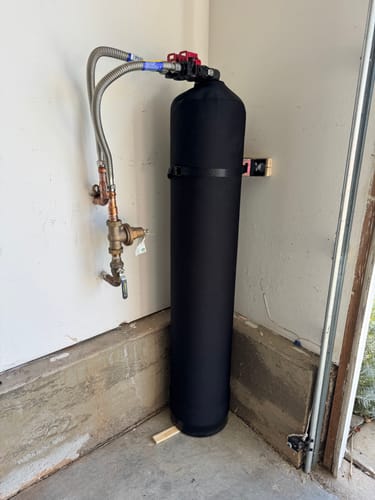
The proof is in the testing, and I've been methodically monitoring our water quality since installation. Using the same iron test kit that revealed our original problem, post-filtration testing consistently shows iron levels below 0.1 PPM—well within EPA aesthetic guidelines and virtually undetectable by taste or appearance.
The transformation was gradual but undeniable. Within the first week, I noticed that fresh glasses of water were crystal clear instead of developing that telltale orange tint after sitting out. The metallic taste that had been ruining our coffee completely disappeared, and my wife commented that ice cubes were finally clear again.
After one month, the staining issue became history. New laundry loads emerged white and bright, without any special additives or treatments. I conducted a side-by-side test using identical white t-shirts—one washed before installation and one after. The difference was dramatic enough to photograph for my own records.
Three months in, I performed comprehensive testing using a professional water analysis kit. The results showed iron reduction from 4.2 PPM to 0.08 PPM—a removal efficiency of over 98%. Additionally, the system was improving water clarity overall, reducing turbidity from 2.3 NTU to 0.4 NTU.
Flow rate testing revealed no significant pressure drops during normal usage. Even with simultaneous showers and appliance operation, water pressure remained consistent throughout the house. The system's 7 GPM service flow rate proved adequate for our family's peak demand periods.
Long-term performance has been remarkably consistent. After six months, the iron removal efficiency remains above 95%, and the system continues regenerating reliably every three days. I've tested the backwash discharge water, and it's fascinating to see the rusty color of the iron being removed from our supply.
Daily Life Improvements and Unexpected Benefits
The most obvious improvement was aesthetic—no more orange stains on anything. Our white ceramic fixtures look new again, and cleaning the bathrooms became a five-minute job instead of an hour-long scrubbing session with specialty products. My wife reclaimed her favorite white clothing items, and laundry Iron Master AIO by SoftPro day became stress-free again.
But the benefits extended beyond what I anticipated. Our coffee maker, which had been producing increasingly bitter coffee due to iron buildup, started making café-quality drinks again. The dishwasher began leaving glasses spot-free without expensive rinse aids. Even our ice maker, which had been producing cloudy, metallic-tasting cubes, returned to crystal-clear performance.
Personal hygiene improvements were unexpected but welcome. My wife noticed that her hair felt softer and more manageable after shampooing. Without iron particles coating everything, soaps and shampoos work more effectively. Our skin felt less dry, particularly during Colorado's harsh winter months.
Household cleaning became dramatically easier. Without constant iron staining, regular cleaning products work as intended. I calculated that we've reduced our cleaning product purchases by roughly 60%, as we no longer need specialized rust removers and heavy-duty stain fighters.
Appliance performance improvements were noticeable across the board. The water heater operates more quietly without iron sediment settling in the tank. Our washing machine runs cleaner cycles, and I suspect it will have a longer lifespan without iron particles wearing on internal components.
Friends and family immediately noticed the difference when visiting. Comments shifted from polite concern about our water to compliments about how good everything tasted. Having confidence in serving tap water to guests restored a sense of pride in our home.
Operational Costs and Long-Term Value
Transparency about ongoing costs is crucial for anyone considering a whole-house water treatment system. The Iron Master operates efficiently, but like any filtration system, it does have consumable elements and operational expenses.
Electricity consumption is minimal—approximately $3-4 per month added to our utility bill. The control head only draws significant power during regeneration cycles, which occur every three days and last about 22 minutes. The rest of the time, it's essentially in standby mode with just the digital display active.
Water usage for regeneration averages 65 gallons per cycle, or about 650 gallons per month. In our area, that translates to roughly $5 monthly in additional water costs. This seemed reasonable considering the water is being used to maintain system performance and protect our entire household water supply.
The Katalox media is designed to last 8-10 years under normal operating conditions. When replacement becomes necessary, the cost will be approximately $150-200 for media refill, plus professional service if I choose not to handle it myself. Amortized over the media lifespan, this adds about $2 monthly to operating costs.
Comparing these expenses to our pre-filtration costs reveals significant savings. We were spending $150 monthly on cleaning products, laundry additives, and professional cleaning services to manage iron staining. The system pays for itself in eliminated cleaning costs within the first year of operation.
Appliance protection value is harder to quantify but potentially substantial. Our water heater, dishwasher, washing machine, and coffee maker should all have extended lifespans without iron contamination. Avoiding premature replacement of major appliances could save thousands over the system's operational life.
Honest Assessment: What Could Be Better
No product is perfect, and the Iron Master has a few characteristics that some users might find challenging. The regeneration cycle produces noticeable water flow sounds, though they're not disruptive during normal daytime hours. If the system is installed near bedrooms, the 10 PM default regeneration time might require adjustment.
Installation space requirements are significant. The complete system with bypass valve needs about 8 feet of vertical clearance and 3 feet of horizontal space for maintenance access. Homes with cramped utility areas might struggle to accommodate the system properly.
The digital display, while generally user-friendly, could benefit from backlighting for easier reading in darker utility areas. Programming requires referencing the manual initially, as the button sequence isn't entirely intuitive. However, once set up correctly, day-to-day operation is completely automatic.
Water usage during regeneration might concern households with very limited well capacity. The 65-gallon backwash cycle plus 15-gallon rinse represents significant water consumption for systems already stressed by low-yield wells.
The system works exceptionally well for iron removal but doesn't address other common well water issues like hydrogen sulfide odor or high TDS levels. Households with multiple water quality problems might need additional treatment components or a more comprehensive system.
Professional installation would add $300-500 to the total investment. While I successfully handled the installation myself, homeowners uncomfortable with plumbing modifications should factor professional service into their budget planning.
Would I purchase the SoftPro Iron Master again?
Absolutely. Six months of ownership has convinced me that this system delivers exactly what it promises: reliable, effective iron removal with minimal ongoing maintenance. The transformation in our daily water experience has been remarkable.
For households dealing with iron contamination in the 2-10 PPM range, this system represents excellent value. The combination of proven air injection technology, quality construction, and straightforward operation makes it an ideal choice for homeowners seeking a permanent solution to iron problems.
The investment has paid dividends beyond just water quality. Reduced cleaning time, eliminated specialty products, appliance protection, and restored confidence in our home's water supply make this one of our best home improvement decisions. Sometimes the best products are the ones that solve problems so completely, you forget you ever had them.