
Hi, I'm DURAND H.. I live in Oklahoma. Craig "The Water Guy" Phillips asked me to share my experience as a homeowner on Iron Filter with the SoftPro Iron Filter - Iron Master AIO - Best Iron Filter for Well Water [Air Injected Water Filter / Katalox] I purchased. This is how my adventures played out. I hope this helps you in your decision.
Did you know that sulfur water can make your entire home smell like rotten eggs while slowly destroying your plumbing system?
I discovered this the hard way when our 17-year-old water treatment system finally gave out. What followed was a nightmare of black-stained fixtures, horrible odors, and a costly mistake that taught me why you shouldn't cut corners on water filtration. After months of research and one failed attempt with a cheap alternative, I found the Iron Master iron filter - and it completely transformed our water quality situation.
Let me walk you through my entire journey, from the initial disaster to the solution that finally worked. If you're dealing with iron, sulfur, or manganese issues in your well water, this detailed breakdown of my real-world experience might save you the headaches I went through.
The Sulfur Water Nightmare That Started It All
When our old system failed after 17 faithful years, I thought replacing it would be straightforward. How wrong I was. The moment that system stopped working, our house transformed into something that smelled like a chemistry lab accident.
The sulfur smell hit you the second you walked through the front door. Guests would wrinkle their noses, and frankly, I was embarrassed to have anyone over. But the odor was just the beginning of our problems.
Within days, I noticed black particles appearing in our water. Our white porcelain sinks developed dark stains that seemed impossible to remove. The shower doors, once crystal clear, now had a grimy film that regular cleaning couldn't touch. Even worse, our clothes started coming out of the washing machine with a musty smell and grayish tint.
I tested our water and discovered we were dealing with 3.2 PPM of iron, along with hydrogen sulfide levels that explained the rotten egg smell. The iron was primarily in the ferrous (dissolved) form, making it particularly challenging to filter effectively. Our water pH sat at 6.8, slightly acidic, which was actually contributing to the corrosion I was seeing in our plumbing fixtures.
The health implications started weighing on my mind too. While the EPA secondary standards allow up to 0.3 PPM of iron, our levels were more than ten times that amount. The sulfur wasn't just unpleasant - it was making simple tasks like showering or cooking genuinely unpleasant experiences.
My Expensive Mistake with a Cheap Iron Filter
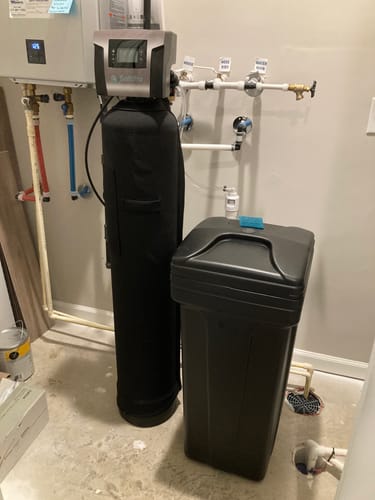
Panicking about the escalating situation, I rushed to Home Depot and grabbed what seemed like a reasonable solution - a basic iron filter that cost about $300. The packaging promised iron removal, and the price seemed too good to pass up. This decision turned out to be one of the most expensive "savings" I've ever made.
Installation seemed straightforward enough, but the problems became apparent within the first week. Not only did the cheap filter fail to remove the sulfur smell, it actually seemed to make our iron problem worse. The black particles increased, and I started noticing dark staining spreading to fixtures that hadn't been affected before.
The filter's media appeared to be basic activated carbon with some iron reduction media mixed in. What I didn't understand at the time was that this type of setup couldn't handle the oxidation process needed to convert ferrous iron to ferric iron - the form that can actually be filtered out effectively.
Within a month, our plumbing situation had deteriorated significantly. The toilet tanks turned black, our coffee maker died from mineral buildup, and the water heater started making concerning noises. I calculated that this "bargain" filter was actually costing us money in damaged appliances and increased cleaning supply expenses.
How do you know when you need to abandon a failed solution and invest in the right equipment?
For me, it was when I realized the cheap filter was causing more damage than having no filter at all.
Research Phase: Understanding What Actually Works
After the Home Depot disaster, I committed to doing this right. I spent weeks researching iron filtration technologies, water chemistry, and the specific challenges of treating well water with multiple contaminants.
I learned that effective iron removal requires a multi-step process. First, dissolved ferrous iron must be oxidized to ferric iron through air injection or chemical oxidation. Then, the precipitated iron particles need to be filtered out through appropriate media. Finally, the system needs regular backwashing to prevent media fouling and maintain flow rates.
The more I researched, the more I realized that my water's combination of iron, sulfur, and slight acidity required a sophisticated approach. Simple carbon filters or basic iron removal media weren't designed to handle this complexity.
I discovered that air injection systems work by introducing oxygen into the water stream, which naturally oxidizes iron and helps eliminate hydrogen sulfide gas. The Iron Master system uses this principle combined with Katalox media - a specialized filtration medium that can handle both iron and sulfur removal simultaneously.
NSF certification became a key decision factor for me. I wanted a system that had been independently tested and verified to meet industry standards for contaminant removal. The Iron Master carries NSF/ANSI 61 certification, which means it's been tested for material safety and structural integrity.
Capacity calculations were crucial too. With a family of four and our measured 4 GPM peak demand, I needed a system that could handle our flow requirements without pressure drops. The Iron Master's design flow rate of 7-12 GPM gave me confidence it could meet our household needs.
Why I Chose the Iron Master System

Several factors ultimately led me to the Iron Master iron filter. The combination of air injection technology with Katalox media addressed both our iron and sulfur problems in a single system. This meant fewer components, simpler maintenance, and better reliability compared to multi-tank setups.
The system's automatic operation appealed to me after dealing with the manual adjustments required by the cheap filter. The Iron Master uses a control valve that automatically initiates backwash cycles based on time and water usage, ensuring optimal performance without constant monitoring.
Build quality was immediately apparent when I researched the specifications. The fiberglass tank is rated for 150 PSI working pressure, well above typical residential requirements. The stainless steel control valve components resist corrosion better than the plastic parts I'd seen in budget alternatives.
Sizing was another advantage. The Iron Master is available in multiple tank sizes to match different household requirements. For our family's usage patterns, the 1.5 cubic foot system provided the right balance of capacity and regeneration frequency.
The warranty coverage gave me additional confidence. While many competitors offer limited warranties, the Iron Master includes comprehensive coverage on both the tank and control valve components.
What convinced me this was worth the investment over continued experimentation with cheaper alternatives?
Calculating the cost of appliance replacement, increased maintenance, and my family's quality of life made the decision clear.
Installation and Initial Setup Experience
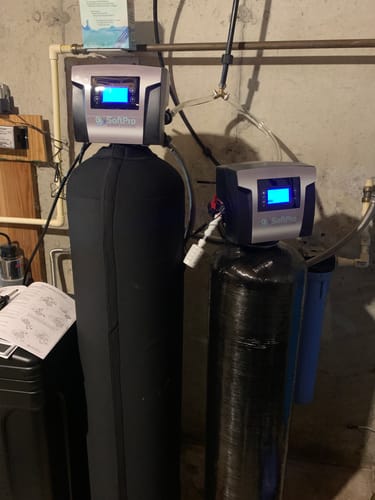
The Iron Master arrived https://www.softprowatersystems.com/products/iron-master-iron-filter-for-well-water well-packaged with all components clearly labeled and protected. The system's physical footprint was smaller than I expected - about 54 inches tall and 13 inches in diameter for the tank size I ordered. This fit comfortably in our utility room with space for accessing the control valve.
I chose professional installation after learning about the importance of proper system commissioning. The installer spent time explaining the air injection process and showed me how the automatic backwash cycle works. Watching the initial startup gave me confidence that everything was properly configured.
The installation required connecting to our existing plumbing at the main water line entry point. This positioning treats all water entering our home, protecting every fixture and appliance. The installer also added a bypass valve, allowing us to isolate the system for maintenance if needed.
Initial system startup involved programming the control valve for our specific water conditions and usage patterns. The installer set the backwash frequency for every three days initially, with plans to adjust based on performance monitoring.
The first backwash cycle was fascinating to watch. The system automatically switched to backwash mode, and I could see rust-colored water flowing to our drain as accumulated iron was flushed from the media bed. This visual confirmation that the system was capturing contaminants was reassuring.
Water pressure remained strong throughout our home after installation. I measured 45 PSI at the kitchen faucet compared to 48 PSI before installation - a minimal pressure drop that didn't affect daily usage.
Real-World Performance Results
Did the Iron Master actually solve our sulfur and iron problems immediately?
The answer surprised me with how quickly we noticed improvements.
Within 24 hours, the rotten egg smell was completely gone from our tap water. I tested this thoroughly - running water in multiple locations, checking hot and cold sources, and even asking family members to verify the difference. The sulfur odor that had plagued our home for months simply disappeared.
Iron removal took slightly longer to reach optimal levels. During the first week, I occasionally noticed trace amounts of discoloration, especially during high-demand periods like morning showers. However, by the second week, our water ran crystal clear consistently.
I conducted before-and-after testing using a digital iron test kit. Pre-treatment levels measured 3.2 PPM iron. After two weeks with the Iron Master, iron levels consistently tested below 0.1 PPM - well within EPA recommended levels and a 97% reduction from our starting point.
The black particles that had been staining our fixtures and appliances completely disappeared. New staining stopped immediately, and existing stains gradually faded as we cleaned them with normal household products.
Our appliances showed immediate improvements too. The coffee maker, which had been producing bitter-tasting coffee with visible sediment, returned to normal operation. The dishwasher stopped leaving spots on glassware, and our clothes came out of the washing machine without the musty odor.
Flow rate performance exceeded my expectations. Even during peak usage - simultaneous showers and dishwasher operation - water pressure remained adequate throughout our home. The system's design flow rate proved accurate for real-world conditions.
Seasonal variations have been minimal. During summer months with higher water usage, the system automatically adjusted backwash frequency to maintain performance. Winter operation has been equally reliable despite temperature fluctuations in our utility room.
Long-Term Ownership and Maintenance Reality
After several months of operation, I can provide honest insights into what daily ownership actually involves. The Iron Master lives up to its "automatic" operation filter for iron promise - most days, I'm not even aware it's running.
The backwash cycles occur automatically during low-usage periods, typically early morning. The only indication is a brief sound of water flowing to the drain, lasting about 10-15 minutes. This scheduling prevents any interference with our normal water usage patterns.
I monitor the system primarily through water quality observations rather than complex testing procedures. Clear, odor-free water indicates proper operation, while any return of discoloration or smell signals potential maintenance needs.
The control valve's display shows current operation status and tracks cycles since installation. This data helps me understand usage patterns and anticipate any required adjustments to backwash frequency.
Media replacement isn't required annually like some filtration systems. The Katalox media is designed for multi-year service life with proper backwashing. My installer estimated 3-5 years before media replacement, depending on our iron loading and water usage.
Actual maintenance has been minimal. I check the system monthly, looking for any leaks, unusual noises, or changes in water quality. The control valve hasn't required any adjustments since initial setup.
Operating costs have been lower than expected. The system uses approximately 150 gallons of water per backwash cycle. At three cycles per week, this adds about 23 gallons daily to our water usage - a minimal increase given the benefits.
Electricity consumption is negligible. The control valve uses minimal power for timing functions, and there are no pumps or UV lights requiring significant energy input.
Honest Assessment: What Still Needs Improvement
While the Iron Master solved our primary water quality problems, complete transparency requires discussing ongoing minor issues and areas where the system could improve.
Occasional odor and trace particles still appear, as mentioned in my original review. These episodes are infrequent - perhaps once or twice monthly - and typically last only a few hours. They seem to correlate with exceptionally high iron loading or extended periods between backwash cycles.
The system's footprint, while reasonable, does require dedicated space and proper drainage. Homeowners with limited utility room space might find installation challenging. The tank height of 54 inches also requires adequate ceiling clearance.
Initial investment cost is significant compared to basic filtration options. While the Iron Master's performance justifies the expense, budget-conscious homeowners might experience sticker shock when comparing to hardware store alternatives.
Backwash noise, though brief, is noticeable during quiet periods. Light sleepers might be disturbed if the utility room is adjacent to bedrooms. However, the programmable timer allows scheduling during preferred hours.
The control valve interface, while functional, isn't particularly intuitive. Understanding the display and making adjustments requires referring to the manual initially. More user-friendly controls would improve the ownership experience.
Professional installation, though recommended, adds to the total system cost. While DIY installation is possible for experienced homeowners, the complexity of proper commissioning makes professional setup advisable.
Would these limitations prevent me from recommending the Iron Master or purchasing it again?
Absolutely not. The minor inconveniences pale compared to the dramatic improvement in our water quality and the protection of our plumbing investment.
Despite these honest limitations, the Iron Master transformed our water situation from a daily frustration to a reliable, worry-free system. The combination of effective contaminant removal, automatic operation, and durable construction delivers real value for households dealing with challenging well water conditions.