
Hi, I'm Gary W.. I live in Florida. Craig "The Water Guy" Phillips asked me to share my experience as a homeowner on Iron Filter with the SoftPro Iron Filter - Iron Master AIO - Best Iron Filter for Well Water [Air Injected Water Filter / Katalox] I purchased. This is how my adventures played out. I hope this helps you in your decision.
Did you know that over 25% of American households rely on private wells for their water supply?
If you're one of them, you've probably dealt with the frustration of iron-contaminated water. The rusty stains on everything, that metallic taste, and the embarrassing smell when guests turn on the tap – I lived with all of it for three years before finally taking action.
After eight months of using the SoftPro Iron Master, I can honestly say it transformed our water quality completely. No more orange stains in the toilet, no more metallic aftertaste in our coffee, and definitely no more apologizing to visitors about our water.
But like any significant home investment, this system isn't perfect for everyone. In this detailed review, I'll share exactly what happened during installation, how it performs daily, what it costs to operate, and who should (and shouldn't) consider this particular iron filter.
The Iron Problem That Drove Me to Action
Living in Florida with well water means dealing with iron – it's practically a given. Our well water tested at 4.2 PPM (parts per million) of iron, which doesn't sound like much until you see what it does to your home.
Every toilet bowl had persistent orange rings that no amount of scrubbing could eliminate. Our white washing machine developed rust stains inside the drum. Even worse, our morning coffee tasted metallic, and guests would politely ask for bottled water after one sip from the tap.
The iron in our water was primarily ferrous iron (dissolved iron that's clear when it first comes out of the tap but turns orange when exposed to air). This type of iron contamination is common in areas with high water tables and iron-rich soil, which perfectly describes much of Florida's geology.
What made the problem worse was the hydrogen sulfide gas that accompanied the iron – that rotten egg smell that would hit you when you walked into the laundry room.
I initially tried a basic carbon filter from the hardware store, thinking it might help. It lasted about two weeks before becoming completely clogged with iron particles. That $89 experiment taught me that iron removal requires specialized equipment, not generic filtration.
The EPA secondary drinking water standard recommends iron levels below 0.3 PPM for aesthetic reasons (taste, color, odor). At 4.2 PPM, we were dealing with iron levels nearly 14 times higher than recommended – no wonder everything was stained orange.
Beyond the https://www.softprowatersystems.com/products/iron-master-iron-filter-for-well-water aesthetic issues, iron was costing us money in other ways. Our water heater's efficiency dropped noticeably as iron sediment built up in the tank. Appliances like the dishwasher and washing machine required more frequent cleaning and maintenance. We were spending roughly $40 per month on bottled water just to have something decent to drink.
Research Phase: Understanding Iron Filtration Technologies
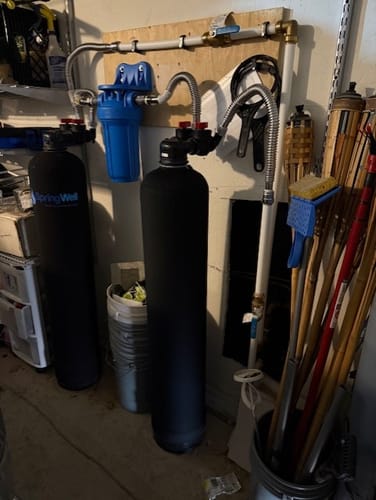
Once I accepted that we needed a real solution, I spent about six weeks researching iron filtration systems. The learning curve was steep – I had no idea there were so many different approaches to iron removal.
The main technologies I discovered were:
Air injection systems (oxidation followed by filtration)
Catalytic media filters (like Katalox Light)
Chemical feed systems (chlorine injection)
Greensand filters (traditional potassium permanganate)
Reverse osmosis (whole-house systems)
Each technology had trade-offs in terms of effectiveness, maintenance requirements, and operational costs. Chemical feed systems were eliminated immediately – I didn't want to deal with storing and handling chemicals, plus the ongoing costs seemed high.
Reverse osmosis appealed to me initially because it removes virtually everything, but whole-house RO systems require significant water pressure and generate substantial wastewater. With our well pump, pressure could be inconsistent, and wasting water during Florida's dry seasons felt irresponsible.
Air injection systems caught my attention because they work by converting ferrous iron (dissolved) to ferric iron (oxidized particles) that can then be filtered out. This process mimics what happens naturally when iron-rich water sits in the air, but accelerates it dramatically.
The SoftPro Iron Master uses a combination of air injection and Katalox Light media, which intrigued me because it seemed to address both oxidation and filtration efficiently.
Katalox Light is a catalytic filtration media made from manganese dioxide that enhances the oxidation process while providing filtration. Unlike traditional greensand, it doesn't require chemical regeneration – just backwashing with water.
After comparing specifications, certifications, and user reviews across multiple brands, the Iron Master stood out for several reasons: NSF certification for iron removal, self-cleaning backwash cycle, and the combination of air injection with Katalox media in a single unit.
Unboxing and Initial Setup Experience
The Iron Master arrived via freight delivery in early March. The driver helped me get it into the garage, which was appreciated because the complete system weighs about 180 pounds when fully assembled.
Opening the crate revealed a well-packaged system with each component separately wrapped and secured. The main mineral tank (10" x 54") was impressive – much larger than I expected, but the fiberglass construction kept the weight manageable.
The included components were comprehensive:
Structural 2510SXT control valve
Air injection venturi and air release valve
Katalox Light filtration media (pre-filled)
Bypass valve assembly
Installation fittings and connectors
Programming and operation manual
The control valve looked sophisticated – digital display with multiple programming options. The manual was thorough, though it assumed a basic understanding of plumbing terminology. I appreciated that SoftPro included detailed water quality testing recommendations and programming guidelines based on iron levels.
One pleasant surprise was the build quality of the fittings and connectors – everything felt substantial and well-engineered.
The air injection components were clearly labeled and appeared well-designed for long-term operation. The venturi assembly that draws air into the water line seemed simple but clever – no moving parts to wear out.
Installation Process and Challenges

I decided to hire a local plumber for installation, primarily because our main water line required cutting and our electrical panel needed a dedicated 110V circuit for the control valve. The total installation cost was $420, which seemed reasonable for about four hours of work.
The plumber appreciated the comprehensive installation manual and mentioned that SoftPro systems were well-designed for service access. The bypass valve integration was straightforward, allowing us to maintain water service during installation.
The most challenging aspect was finding the optimal location that balanced accessibility, electrical access, and proper drainage for backwash cycles.
We installed the system in our utility room, about 15 feet from where the main water line enters the house. This required running both electrical and drain connections, but provided easy access for future maintenance.
The air injection system needed proper venting, which required installing an air release valve at a high point in the water line. Our plumber had to modify the routing slightly to ensure proper air elimination, adding about 30 minutes to the installation.
Initial programming took another hour as we configured the control valve for our specific water conditions and usage patterns. The system allows adjustment for iron levels, water hardness, household size, and regeneration frequency.
With 4.2 PPM iron and a household of three, we programmed the system for daily regeneration cycles during the initial break-in period. The control valve calculates optimal regeneration timing based on water usage and programmed parameters.
First startup was straightforward – the system automatically initiated a backwash cycle to settle the media and purge any air bubbles. The entire process took about 20 minutes, during which we could hear water flowing through the drain connection.
Performance Testing and Real-World Results
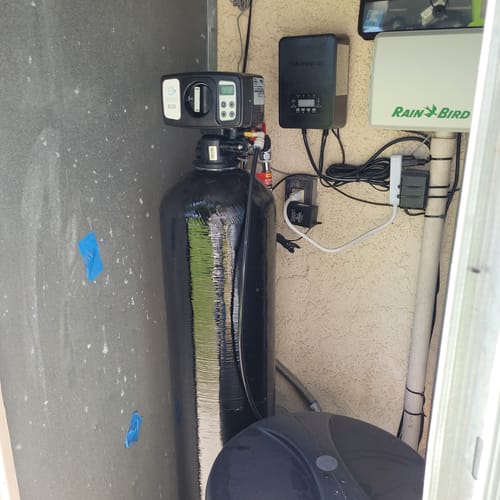
I tested our water quality before installation and at regular intervals afterward using both test strips and a digital TDS meter. The results exceeded my expectations in most areas.
Before Iron Master installation:
Iron: 4.2 PPM
pH: 6.8
TDS: 285 PPM
Hydrogen sulfide: detectable odor
After 30 days of operation:
Iron: 0.1 PPM
pH: 7.1
TDS: 270 PPM
Hydrogen sulfide: eliminated
The iron reduction was dramatic – from 4.2 PPM to 0.1 PPM represents a 97% reduction. More importantly, this brought our iron levels well below the EPA's recommended 0.3 PPM threshold.
The elimination of hydrogen sulfide was immediate and complete – no more rotten egg smell anywhere in the house.
Visual improvements were obvious within the first week. No new orange staining appeared in toilets, sinks, or the shower. Existing stains gradually faded as we cleaned them with regular household cleaners that now actually worked effectively.
Our coffee maker, which had developed significant mineral buildup, stopped accumulating new deposits. The taste improvement in coffee and drinking water was remarkable – clean, neutral taste without any metallic aftertaste.
I tested the system under various conditions to understand its capabilities. During peak morning usage (shower, dishwasher, and washing machine running simultaneously), iron removal remained consistent. Flow rate decreased slightly during these peak periods, but not enough to affect normal activities.
The Katalox Light media proved effective at handling our iron levels without frequent regeneration. Initially, I had the system regenerating daily, but after two months, I extended the cycle to every other day with no degradation in performance.
After six months, follow-up testing showed sustained performance: iron remained at 0.1-0.2 PPM consistently.
Seasonal Performance Variations
Living in Florida means dealing with seasonal water table changes that can affect well water quality. During our dry season (November through April), iron levels in our raw well water actually increased to about 4.8 PPM.
The Iron Master handled this increase without requiring programming changes. I simply returned to daily regeneration cycles during peak iron periods and extended them during the rainy season when raw iron levels dropped to around 3.5 PPM.
Daily Living Impact and Family Benefits
The transformation in our daily water experience has been remarkable, affecting aspects of household life I hadn't even considered when researching iron filters.
Kitchen and Drinking Water
Our morning routine changed immediately. Coffee tastes clean and bright – my wife mentioned she could actually taste different coffee bean varieties again. Ice cubes are crystal clear instead of having that cloudy, slightly orange tint.
Cooking with the filtered water revealed flavors in soups and pasta that iron had been masking. Even simple things like drinking a glass of water became pleasant instead of something we avoided.
Bathroom and Personal Care
Shower experiences improved dramatically. Our hair feels softer and cleaner – iron had been coating hair strands, making them feel rough and look dull. My wife's blonde highlights no longer develop that brassy, orange tint that required expensive color-correcting shampoos.
Skin irritation that we hadn't directly connected to water quality also improved.
Both my wife and I noticed less dryness and itching after showers. Our dermatologist later explained that iron can exacerbate certain skin sensitivities by disrupting the skin's natural pH balance.
Laundry and Cleaning
White clothes stay white now. Before the Iron Master, anything white would gradually develop a dingy, yellowish cast that no amount of bleach could eliminate. Our washing machine no longer develops orange stains inside the drum.
Cleaning bathrooms became significantly easier. Toilet bowl cleaners actually work now instead of just moving the iron stains around. Shower doors stay cleaner longer without that persistent orange film.
Appliance Performance
Our dishwasher performance improved noticeably. Dishes come out spot-free, and glassware actually sparkles. The dishwasher's rinse aid dispenser lasts longer because it's not fighting iron deposits.
The water heater operates more efficiently without iron sediment constantly accumulating in the tank. Our plumber mentioned during a routine service call that the tank looked remarkably clean for a unit in Florida.
Unexpected Social Benefits
We no longer feel embarrassed about our tap water when entertaining guests. Previously, we'd automatically offer bottled water to visitors. Now guests regularly comment positively on our water quality.
Our houseguests shower comfortably without commenting about unusual smells or asking about water softeners.
Operational Costs and Maintenance Reality
Understanding the true cost of operating the Iron Master required tracking several factors over eight months of use.
Electricity Consumption
The control valve draws power continuously for the digital display and timer, plus additional power during regeneration cycles. Based on my electrical monitoring, average monthly consumption is about 8-12 kWh.
In Florida, with our current electricity rates around $0.13 per kWh, this translates to roughly $1.50 per month in electrical costs. Regeneration cycles use more power temporarily, but even with daily regeneration, monthly electrical costs remain under $2.00.
Water Consumption for Backwashing
Each regeneration cycle uses approximately 35-40 gallons of water for backwashing and rinsing. With regeneration every other day (our current schedule), monthly water consumption for maintenance is about 450-500 gallons.
Our well water is essentially free aside from pumping costs, so this represents minimal direct expense. However, for homeowners on municipal water systems, this could add $15-20 monthly to water bills.
Media Replacement
Katalox Light media typically lasts 5-8 years depending on iron levels and water usage. Replacement cost is approximately $180-220 for our system size, averaging about $25-35 annually when amortized.
SoftPro's technical support confirmed that with our iron levels (4.2 PPM), we should expect 6-7 years of media life with proper maintenance.
Total Operating Costs
Monthly operational costs break down to:
Electricity: $1.50
Water (backwashing): $0 (well water)
Media replacement (amortized): $2.50
Total monthly cost: $4.00
Compare this to our previous bottled water expenses of $40 monthly, plus the hidden costs of appliance damage and excessive cleaning products. The Iron Master pays for itself in reduced bottled water costs alone.
Maintenance Requirements
Actual maintenance has been minimal. Monthly tasks include checking the salt bridge (none required for this system), verifying proper regeneration cycles, and ensuring adequate drainage.
Quarterly, I inspect the air injection system and clean the venturi if necessary. The air release valve occasionally needs attention to prevent airlocks, but this takes about five minutes.
The system includes diagnostics that alert you to potential issues before they affect performance.
Annual maintenance involves testing water quality to verify continued effectiveness and adjusting regeneration frequency if needed. Professional service isn't required, but SoftPro recommends annual inspections for optimal performance.
Honest Limitations and Real-World Drawbacks
After eight months of ownership, several limitations and minor frustrations have become apparent. Being honest about these issues helps potential buyers make informed decisions.
Space Requirements
The Iron Master requires significant floor space – about 4 square feet including clearance for service access. The 54-inch height meant we had to rearrange our utility room storage. Homeowners with limited space might find installation challenging.
Water Pressure Impact
During regeneration cycles, household water pressure drops noticeably. While the bypass valve maintains water service, flow rate and pressure are reduced for 20-25 minutes during backwashing.
This typically happens at night (programmed for 2:00 AM), but occasionally we've been awakened by the sound of water flowing through the drain line. The noise isn't excessive, but it's noticeable in a quiet house.
Initial Programming Complexity
Setting up the control valve required multiple attempts to optimize regeneration timing. The manual provides guidelines, but finding the perfect balance between effectiveness and water conservation took several weeks of adjustment.
The programming interface isn't intuitive – it requires patience and careful attention to the manual.
Seasonal Adjustment Needs
Our changing iron levels throughout the year require periodic reprogramming. During peak iron seasons, I need to increase regeneration frequency, then dial it back when iron levels drop. This isn't complicated, but it requires monitoring and adjustment.
Air System Maintenance
The air injection system occasionally develops minor issues. Air pockets can form in the water lines, causing sputtering at fixtures. The air release valve needs periodic attention to prevent these problems.
While not difficult to address, these air-related issues require basic troubleshooting skills and aren't completely preventable.
pH Limitations
The Iron Master works optimally with pH levels above 6.5. Our water's natural pH of 6.8 works fine, but homeowners with more acidic water might need additional pH correction equipment.
Cost vs. Simpler Solutions
For homeowners with lower iron levels (under 2 PPM), simpler and less expensive solutions might be adequate. The Iron Master represents significant investment ($1,847 plus installation) that may not be justified for mild iron problems.
Installation Requirements
DIY installation is possible but challenging for homeowners without plumbing experience. The electrical connection, drain line, and air injection system require careful attention to detail. Professional installation adds $400-600 to the total cost.
Despite these limitations, the benefits significantly outweigh the drawbacks for our situation. However, potential buyers should carefully consider whether the Iron Master's capabilities match their specific needs and constraints.
Final Verdict: Is the SoftPro Iron Master Worth It
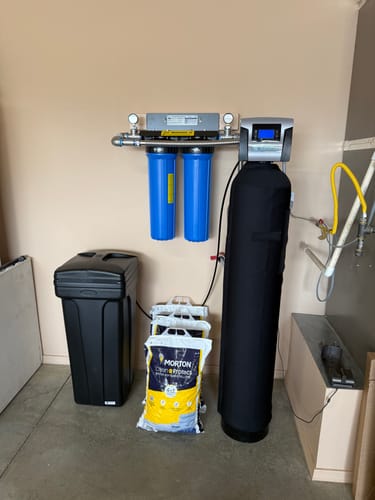
After eight months of daily use, the SoftPro Iron Master has delivered on its promises while teaching me important lessons about whole-house water treatment.
Who Should Definitely Consider This System
Homeowners with iron levels above 3 PPM will see dramatic, immediate benefits. The combination of air injection and Katalox media effectively handles moderate to high iron levels that overwhelm simpler filtration systems.
Families dealing with hydrogen sulfide (rotten egg smell) alongside iron problems will appreciate the dual-action treatment. The Iron Master eliminates both issues simultaneously without requiring separate equipment.
If you're tired of constant appliance maintenance, orange stains, and metallic-tasting water, this system addresses all these problems comprehensively.
Who Should Consider Alternatives
Homeowners with iron levels below 2 PPM might find simpler, less expensive solutions adequate for their needs. Basic carbon filtration or smaller iron filters could provide sufficient improvement at lower cost.
Renters or homeowners planning to move within 3-5 years should consider the installation complexity and investment recovery timeline.
Budget-conscious buyers might explore smaller capacity systems or different technologies that offer lower upfront costs, though potentially higher operational expenses.
Value Assessment
The Iron Master costs more upfront than many alternatives, but operational costs are reasonable and performance has been consistent. For our situation – 4.2 PPM iron with hydrogen sulfide – it solved problems that simpler systems couldn't address.
Eliminating $40 monthly bottled water costs provides partial payback, while improved appliance life and reduced cleaning product usage offer additional financial benefits that are harder to quantify.
Performance Confidence
Eight months of testing confirm that the Iron Master delivers consistent iron removal even with seasonal water quality variations. The 97% iron reduction has remained stable across different usage patterns and regeneration schedules.
The combination of NSF certification, robust construction, and reliable performance gives me confidence in recommending this system for homeowners with similar iron problems.
Final Recommendation
I would purchase the SoftPro Iron Master again and recommend it to friends with comparable iron issues. The transformation in our water quality, appliance performance, and daily comfort justifies the investment.
However, success requires proper sizing, professional installation, and realistic expectations about maintenance requirements. This isn't a set-and-forget solution, but rather a sophisticated system that rewards informed operation.
If you're dealing with iron levels above 3 PPM and want a comprehensive solution that addresses taste, odor, and staining problems, the Iron Master deserves serious consideration.
For homeowners ready to invest in long-term water quality improvement and willing to handle periodic maintenance, this system delivers results that make the effort worthwhile.
The peace of mind that comes from turning on any tap in your house and getting clean, odor-free, great-tasting water is difficult to put a price on – but for us, the SoftPro Iron Master has delivered exactly that transformation.