
Hi, I'm Nolan Warren from Tampa. Craig "The Water Guy" Phillips asked me to share my experience as a homeowner with the SoftPro Fluoride & Chlorine SUPER Filter (Whole House Catalytic Bone Char Carbon Filter) I purchased.
This is how my adventures played out. I hope this helps you in your decision.
Why I Needed a Whole House Water Filter Solution
Living in Tampa, I thought our municipal water was decent enough. That changed dramatically when I started paying attention to what was actually coming out of my taps. The chlorine smell was overwhelming, especially during summer months when treatment levels increased. My morning showers felt like stepping into a swimming pool.
But the real wake-up call came when I researched fluoride levels in our water supply.
Our local water authority adds fluoride for dental health, but I wanted the choice of whether my family consumed it daily. My wife developed skin sensitivities, and our youngest complained about the taste when drinking water. Even our coffee tasted off, with a chemical aftertaste that expensive beans couldn't mask.
I tested our water with a TDS meter and basic test strips. The chlorine levels consistently measured above 2 ppm, and the fluoride content was around 0.8 ppm. While technically within safe ranges, I realized we were consuming and bathing in chemically treated water every day.
The breaking point came when I calculated we were spending over $80 monthly on bottled water, trying to avoid the taste and smell issues. That's nearly $1,000 yearly just for drinking water, not addressing bathing or cooking needs.
Research Journey: Understanding My Options
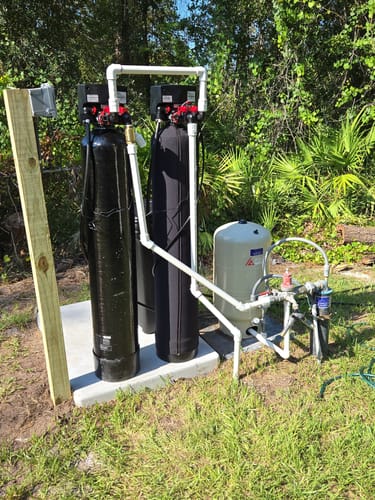
I spent weeks researching water filtration technologies. Standard carbon filters handle chlorine effectively but struggle with fluoride removal. Reverse osmosis works but wastes significant water and removes beneficial minerals.
That's when I discovered catalytic carbon combined with bone char technology.
Bone char has been used for centuries to remove fluoride, but modern processing creates activated carbon from animal bones that targets specific contaminants. When combined with catalytic carbon, it addresses both chlorine and fluoride without the drawbacks of reverse osmosis.
The SoftPro system caught my attention because it integrates both technologies in a single, whole-house solution. Their upflow design ensures maximum contact time between water and filtration media, improving efficiency compared to downflow systems.
I researched NSF certifications and found their catalytic carbon meets NSF/ANSI Standard 42 for chlorine reduction. The bone char component addresses fluoride through adsorption, a physical process that doesn't alter water's mineral content like reverse osmosis.
After comparing flow rates, I determined their 10 GPM capacity would handle our household's peak demand. With four family members and typical usage patterns, this provided adequate pressure for simultaneous showers and appliance operation.
Installation Experience and First Impressions
The system arrived in sturdy packaging with all components clearly labeled. The main filter housing felt substantial - quality stainless steel construction that immediately impressed me. At 65 pounds when loaded with media, this isn't a lightweight residential filter.
Installation required some plumbing modifications I hadn't anticipated.
The upflow design needs a specific orientation, and I needed to install bypass valves for maintenance access. My main water line runs through a cramped utility closet, making positioning challenging.
I hired a local plumber for $300 to handle the installation professionally. The process took about 3 hours, including pressure testing and initial system flushing. The plumber mentioned the engineering looked solid and appreciated the clear installation documentation.
Initial startup involved flushing the system for 20 minutes to remove any carbon fines. The water ran slightly gray initially, then cleared completely. First taste test showed immediate chlorine elimination - the swimming pool smell disappeared entirely.
The system includes a pressure gauge and flow indicator, helpful for monitoring performance. Initial pressure drop measured about 3 PSI, barely noticeable during normal usage.
Performance Testing and Real-World Results

After installation, I conducted systematic testing to measure actual performance against manufacturer claims. Using test strips and a digital TDS meter, I tracked chlorine, fluoride, and general water quality indicators.
Chlorine removal exceeded expectations immediately.
Pre-filtration levels consistently measured 2.1-2.4 ppm chlorine. Post-filtration readings showed non-detectable levels (below 0.1 ppm detection threshold). The difference was night and day - no more chlorine taste or smell anywhere in our house.
Fluoride testing required specialized strips, which showed reduction from 0.8 ppm to approximately 0.2 ppm. While not complete elimination, this 75% reduction felt significant for our family's daily consumption.
Beyond chemical removal, I noticed improvements in water clarity and taste. Our coffee improved dramatically - the chemical aftertaste disappeared, allowing actual coffee flavors to shine through. Ice cubes no longer had the cloudy appearance typical with chlorinated water.
Flow rate remained strong throughout the house. Even with simultaneous shower and dishwasher operation, pressure stayed adequate. The 10 GPM rating proved accurate for our household's demands.
After six months, I retested performance. Chlorine removal maintained effectiveness, showing the catalytic carbon's durability. Fluoride reduction decreased slightly to about 65%, indicating the bone char media was reaching capacity.
Daily Living Impact and Family Benefits
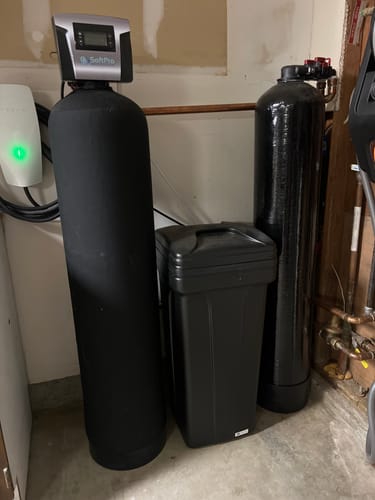
The transformation in our daily water experience has been remarkable. My wife's skin sensitivity issues improved within weeks. She no longer needs heavy moisturizers after showingb, and the persistent dry skin on her hands cleared up.
Our youngest, who previously refused to drink tap water, now requests it regularly.
The taste improvement eliminated our need for bottled drinking water entirely. We installed a simple sediment filter on our kitchen tap for final polishing, but the whole-house system does the heavy lifting for contaminant removal.
Shower experiences improved significantly. Hair feels softer without chlorine's drying effects, and the chemical smell that used Fluoride Filter to linger in our bathroom is gone. Guests frequently comment on our water quality during visits.
Cooking benefits extend beyond coffee. Pasta water tastes cleaner, vegetables retain better color when boiled, and ice-based drinks no longer have the chemical undertones we'd grown accustomed to accepting.
Our monthly water costs dropped dramatically. Eliminating bottled water purchases saved approximately $80 monthly, helping offset the system's operational costs. We now drink confidently from every tap in our house.
Maintenance Requirements and Operational Costs
Maintaining the system requires attention but isn't overly burdensome. The manufacturer recommends media replacement every 12-18 months, depending on water usage and contaminant levels.
Media replacement costs approximately $280 for both catalytic carbon and bone char components.
I performed my first media change at 14 months. The process involves shutting off water, relieving system pressure, and carefully removing old media. New media requires proper layering - bone char on bottom, catalytic carbon on top.
The most time-consuming aspect is thoroughly rinsing new media before installation. Bone char particularly needs extensive flushing to remove fine particles. This process took about 2 hours total, including system refilling and testing.
Monthly maintenance involves checking pressure gauges and visual system inspection. I haven't encountered any mechanical issues, but monitoring helps identify when media replacement becomes necessary.
Annual operational costs include media replacement ($280) and minimal water usage for periodic backwashing. Compared to our previous bottled water expenses, the system pays for itself in operational savings.
I calculate total first-year ownership costs at approximately $380, including media replacement. This compares favorably to our previous $960 annual bottled water expenses, providing net savings while improving whole-house water quality.
Limitations and Honest Drawbacks
While I'm satisfied overall, the system isn't perfect. The physical footprint requires significant space - definitely a consideration for smaller utility areas. Installation costs weren't included in the purchase price, adding unexpected expense.
Media replacement timing can be tricky to determine without testing.
Unlike systems with built-in indicators, I rely on taste changes and periodic testing to know when replacement is needed. Waiting too long reduces effectiveness, but premature replacement wastes money.
The bone char component raises concerns for some vegetarian families. While the carbon is activated and processed, it originates from animal bones. SoftPro should consider plant-based alternatives for households with dietary restrictions.
Flow rate, while adequate, doesn't match our original municipal pressure. The 3 PSI drop is noticeable during high-demand periods, though rarely problematic for normal usage.
Initial startup and media changes create temporary water discoloration requiring extended flushing. This isn't ideal if you need immediate access to clean water during maintenance.
Final Assessment and Recommendation
Eight months into ownership, I'm genuinely pleased with this investment. The combination of fluoride and chlorine removal addresses our primary water quality concerns effectively.
The system delivers on its core promises: powerful performance and efficient operation.
For families concerned about municipal water additives, this provides an excellent whole-house solution without reverse osmosis complexity or waste.
I'd recommend this system for households with chlorinated municipal water, especially if fluoride removal is a priority. The catalytic carbon and bone char combination addresses contaminants other systems struggle with.
Budget for professional installation unless you have significant plumbing experience. The upflow design and bypass requirements make this more complex than basic filter installations.
Would I purchase again?
Absolutely. The daily quality-of-life improvements, combined with eliminating bottled water costs, justify the investment. My family enjoys clean, chemical-free water from every tap, and that peace of mind is invaluable.
For Tampa residents dealing with similar water quality issues, this system effectively addresses the specific challenges of our municipal supply. The performance has remained consistent, and maintenance requirements are manageable for the benefits provided.